C.
What is composite cave construction?
Composite cave construction is the process of creating cave-inspired structures, faux stone walls, or decorative landscapes using reinforced composite materials. This approach makes it possible to achieve a realistic stone look while keeping the structure lightweight and highly customizable.
Compared with traditional methods such as cement sculpting or natural stone assembly, composite offers clear advantages in installation speed, stability, and cost control. That is why many event organizers, religious facilities, and landscape developers prefer this solution.
Key advantages of composite cave structures
- Lightweight yet durable: Composite helps reduce load on the structure while maintaining strength and good weather resistance.
- Flexible shaping: It can replicate stone textures, rock formations, cave openings, and artistic details with high accuracy.
- Fast installation: It shortens project timelines, which is ideal for urgent deadlines.
- Cost-effective: Lower labor demand and reduced use of heavy materials help optimize the budget.
- Easy maintenance: Composite surfaces are easier to clean, repair, and refresh when needed.
How the installation process usually works
Every composite cave project requires a tailored plan, but the standard process often includes site inspection, concept drawings, frame construction, surface layering, color finishing, and final detailing. For larger projects, the team must also consider durability, drainage, moisture resistance, and real installation conditions.
During the sculpting stage, craftsmanship is essential to make the cave surface feel natural. Cracks, rough textures, color transitions, and moss-like effects must be handled carefully so the overall result looks deep, refined, and convincing.
Common applications
- Christmas cave sets and holiday displays
- Faux stone walls for lobbies, gardens, and resorts
- Spiritual spaces, churches, and pilgrimage sites
- Landscape features for parks, malls, and tourist areas
- Artificial mountain and cave-themed installations
What to consider for the best visual result
To achieve a beautiful and long-lasting composite cave structure, design and finishing must work together. Proportions, color tones, lighting, and decorative elements should be coordinated to create a natural appearance. Choosing an experienced contractor is also important to ensure quality and on-time delivery.
For projects that need stronger visual impact, combining composite with lighting systems, special-effect paints, and decorative accessories can make the installation stand out. This solution delivers both artistic value and practical durability.
Conclusion
Composite cave construction is a strong option for many projects because it balances aesthetics, durability, and cost. If you need a decorative solution that is impressive, quick to install, and easy to customize, composite is well worth considering.
Art and Architecture tends to consume everything else it has become one entire life.
- FuliCos Nguyen -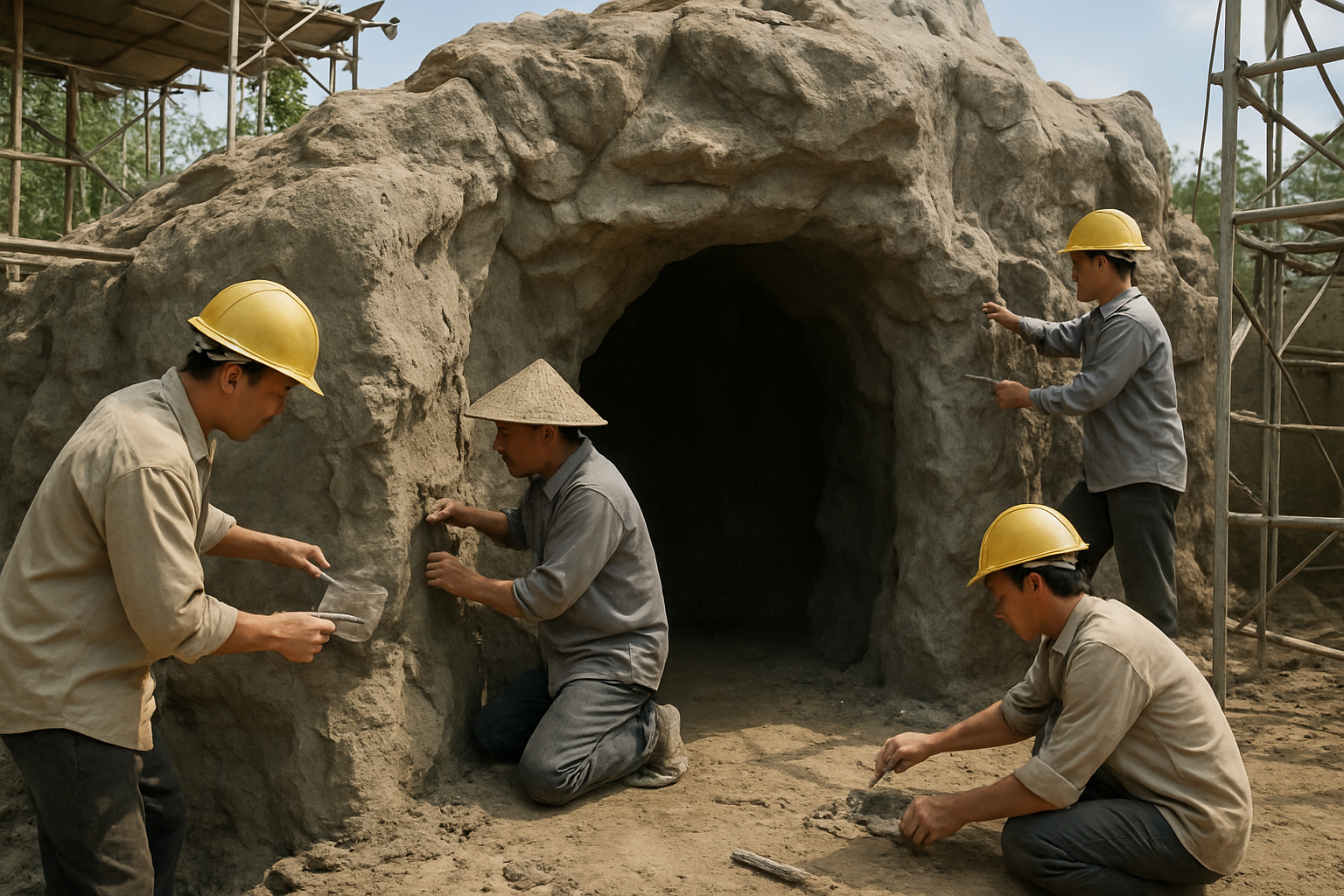
Interesting Articles
-
Foam Faux Stone Walls: Lightweight Decor...
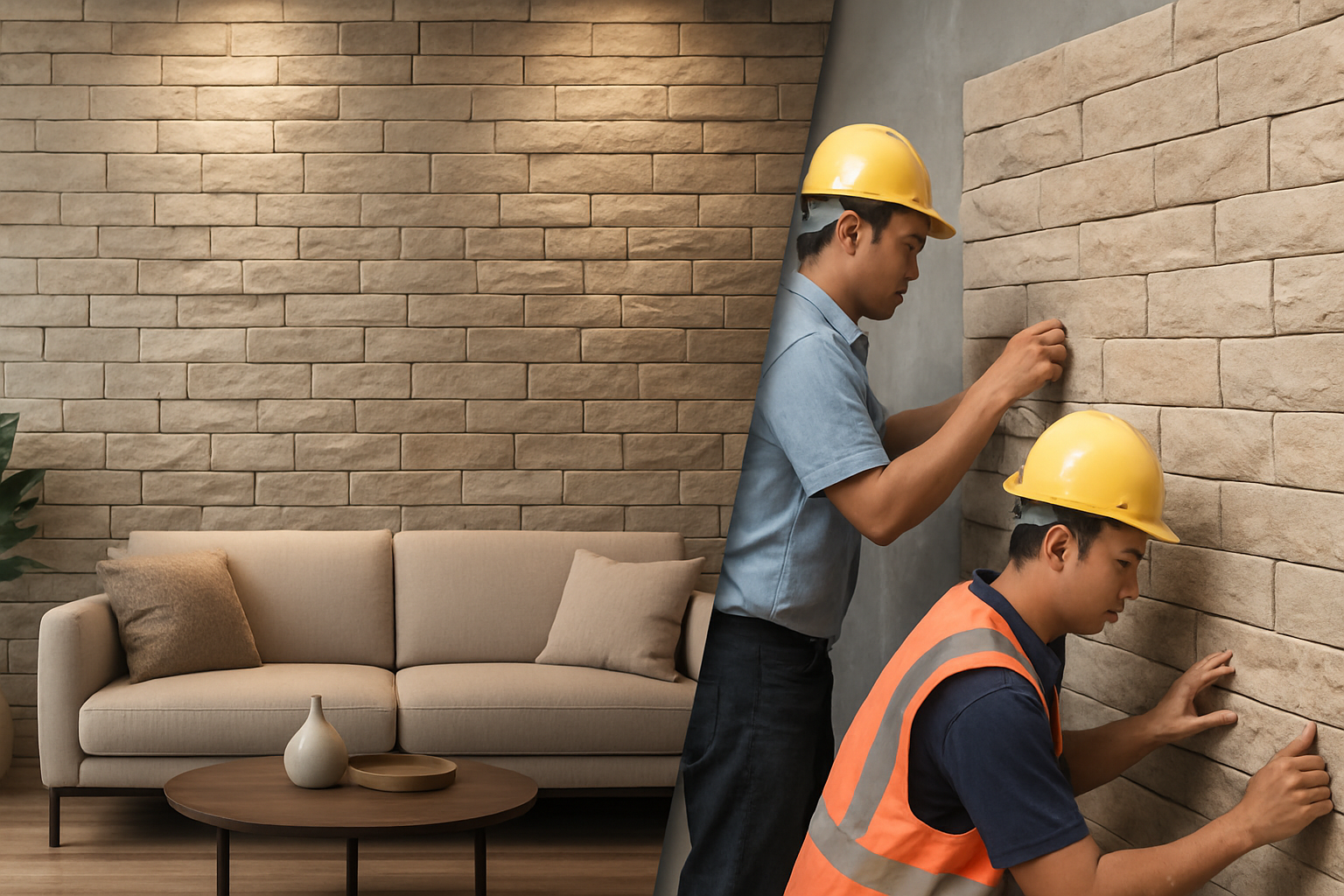
Foam faux stone walls are chosen for their light weight, fast installation, and striking visual effect. They work well for homes, stores, and event spaces that need a strong decorative accent.
-
Traditional red concept ideas for large...
Traditional red Christmas tree concepts for business lobbies, showrooms and seasonal check-in spaces, with color direction, material notes and site-photo inputs.
-
3D Canvas Prints for Interior Projects
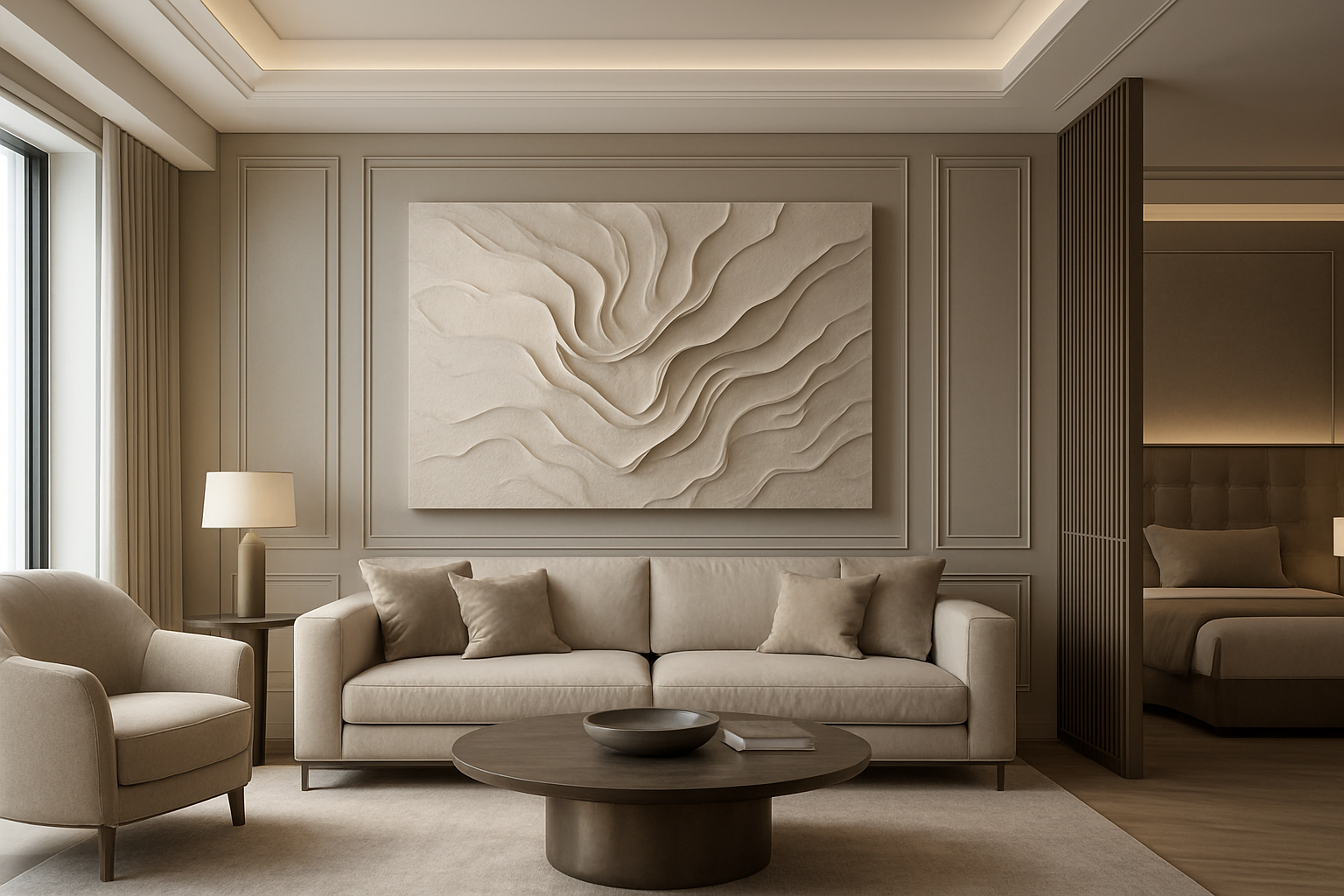
3D canvas prints are a smart choice for interior projects that need strong visual impact, reliable durability, and flexible installation. They work well for large-scale décor across a wide range of spaces.
-
Mekong Wooden Boats for Rent for Events &...
Mekong-style wooden boats are a popular choice for photo shoots, film sets, and event décor. The 3.9m model and under-water rowing style create a rustic, cinematic look.
-
Mid-Autumn PhotoBooth Ideas That Elevate...
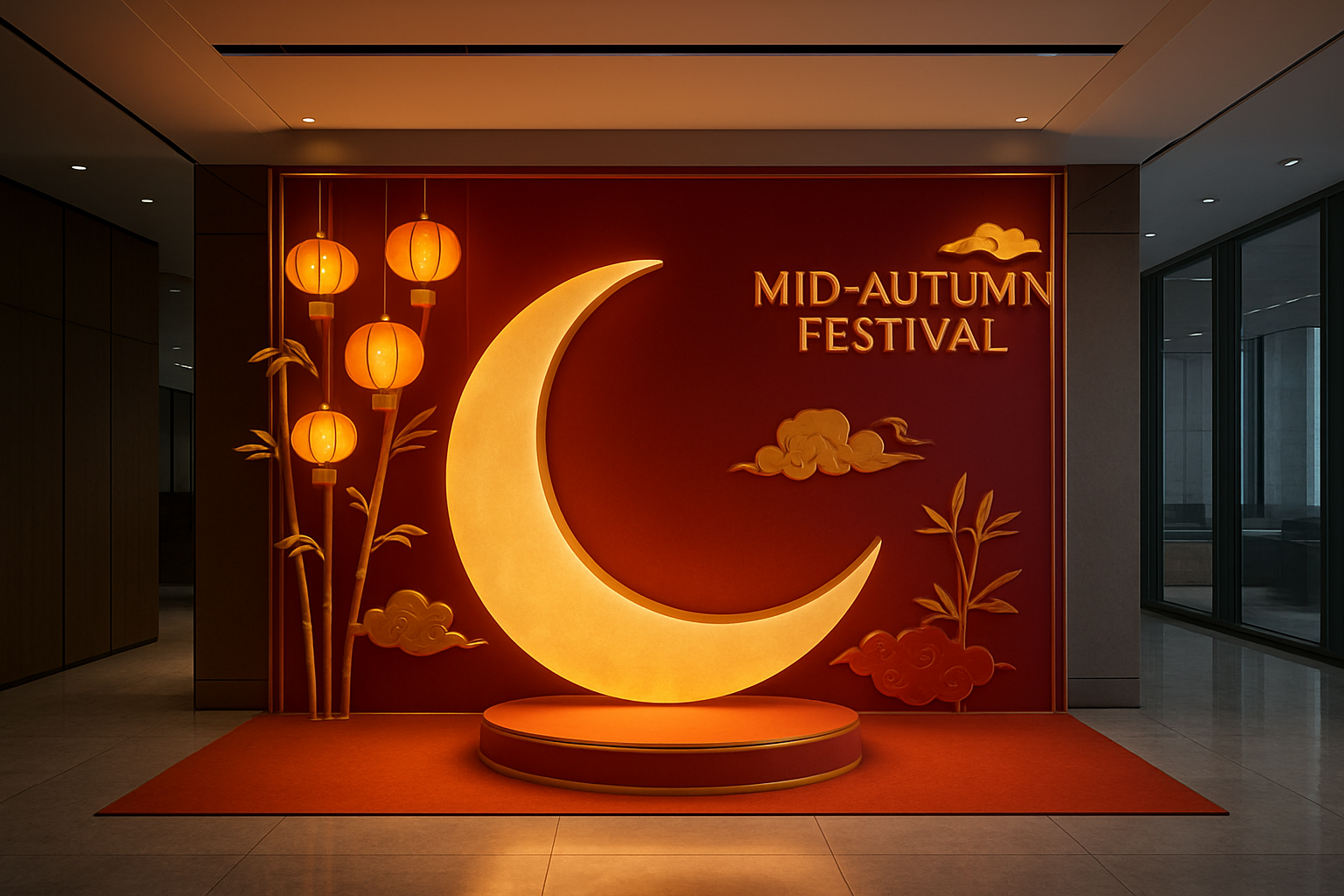
A well-designed Mid-Autumn PhotoBooth adds warmth, charm, and a memorable check-in spot to any event. It helps create a festive atmosphere while encouraging guests to take photos and share the moment.
-
Christmas tree rental for auto showrooms:...
Preparation checklist before quoting Christmas tree rental for auto showrooms, from site photos to delivery route and operating hours.
-
Large Christmas tree rental 7m-9m: book...
Why 7m-9m large Christmas tree rental should be booked early, and what information helps LDM hold the right installation slot.
-
Restaurant Interior Fit-Out That Attracts...
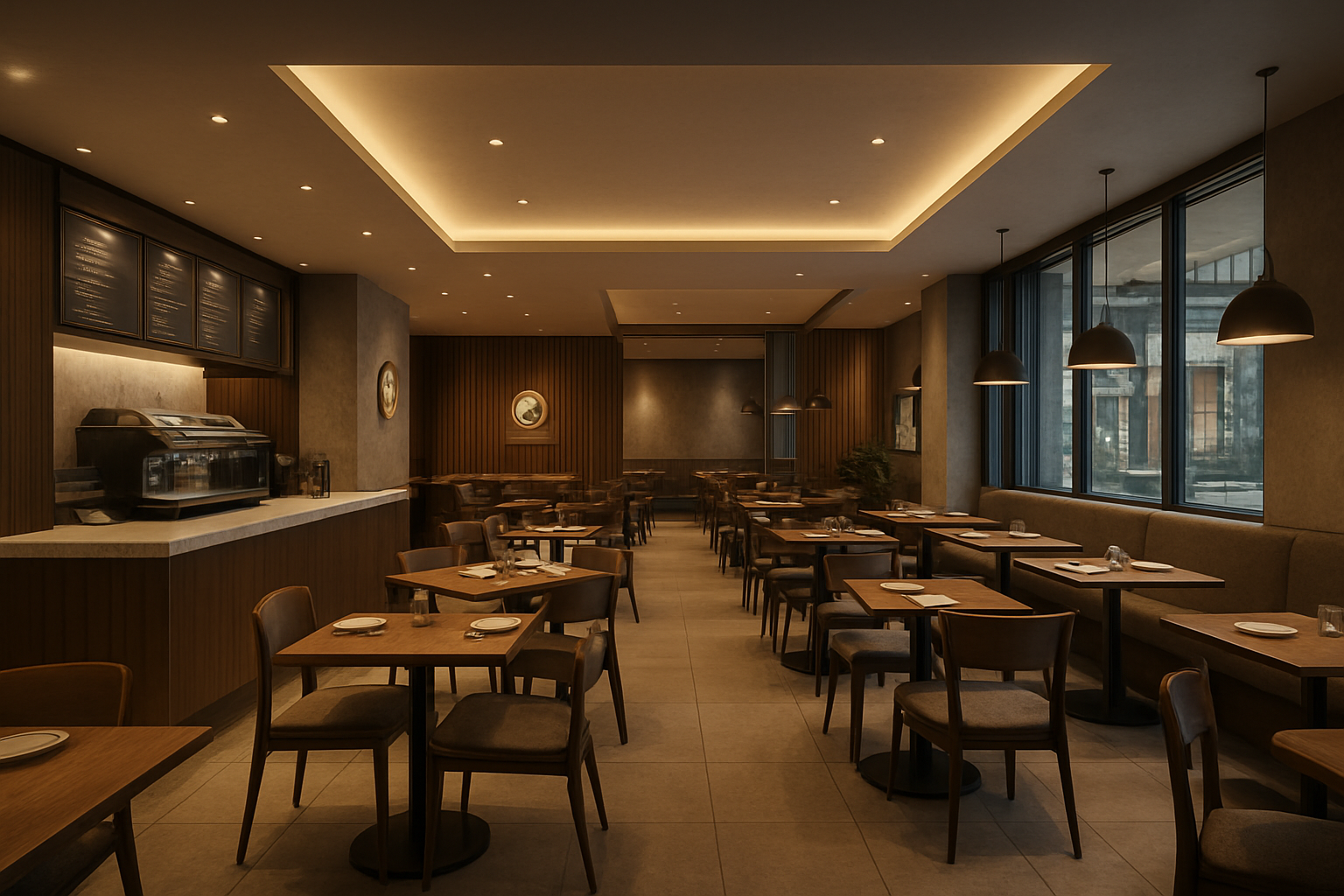
Restaurant interior fit-out is more than finishing a space. It helps improve customer experience, streamline operations, and build a stronger brand identity.
-
Large Christmas Tree Design and Installation
LDM provides professional large Christmas tree design and installation for malls, hotels, and event spaces. Choose from ready-made rental packages or fully customized concepts to match your brand.
-
Christmas Tree Rental for Office Buildings:...
Updated office-building Christmas tree rental checklist covering 5m, 6m and 7m sizing, site photos, power, access and survey timing.
-
6m Christmas Tree Rental for Hotel Lobbies...
Guide to 6m Christmas tree rental for hotel lobbies, large showrooms and business reception spaces: fit, site checks and consultation inputs.
-
What affects the rental price of a 12m...
The rental price of a 12m Christmas tree depends on the site, structure, decor density, crew, installation shifts and rental duration. LDM quotes based on actual conditions.